

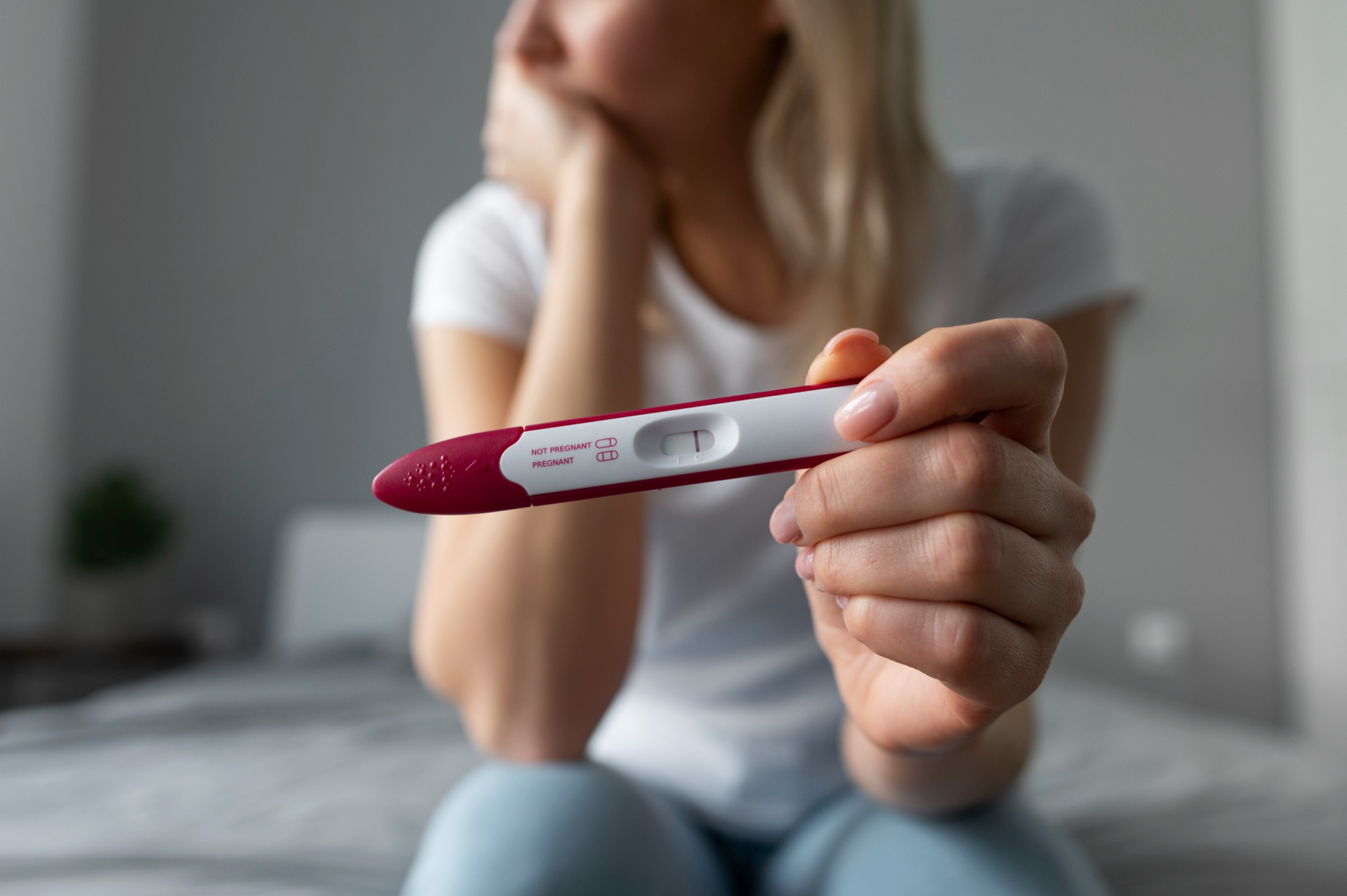
For many couples undergoing fertility treatment, the moment of embryo transfer brings hope and anticipation. However, when high-quality embryos repeatedly fail to implant in the uterus, it can be emotionally challenging. This condition is known as recurrent implantation failure (RIF). Understanding the causes and available treatments can help couples move forward with the right medical guidance and renewed confidence.
Fertility specialists emphasize that implantation failure is often a complex issue influenced by multiple factors. With proper evaluation and personalized treatment, many couples can overcome this challenge and achieve successful pregnancy outcomes.
What Is Recurrent Implantation Failure?
Recurrent implantation failure generally refers to the failure of embryos to implant after multiple IVF cycles, despite transferring good-quality embryos. Implantation occurs when the embryo attaches to the uterine lining and begins to develop.
If implantation does not occur after several attempts, doctors investigate possible underlying causes affecting either the embryo or the uterine environment.
Common Causes of Recurrent Implantation Failure
Implantation failure may result from several medical factors. Identifying the cause is essential to developing an effective treatment plan.
Embryo Quality Issues
Healthy embryos are crucial for successful implantation. Genetic abnormalities in embryos can prevent proper development and implantation.
Factors that may affect embryo quality include:
- Advanced maternal age
- Chromosomal abnormalities
- Poor egg or sperm quality
Advanced laboratory techniques now allow fertility specialists to evaluate embryos more precisely before transfer.
Uterine Abnormalities
Structural problems within the uterus can interfere with implantation. These may include:
- Uterine fibroids
- Endometrial polyps
- Adhesions inside the uterus
- Congenital uterine abnormalities
Diagnostic procedures such as hysteroscopy or ultrasound help identify these issues.
Hormonal Imbalances
Hormones play a critical role in preparing the uterine lining for implantation. Conditions such as:
- Polycystic ovary syndrome (PCOS)
- Thyroid disorders
- Progesterone deficiency
can disrupt the hormonal balance needed for successful implantation.
Endometrial Receptivity Issues
Even when embryos are healthy, implantation may fail if the uterine lining is not properly prepared. The endometrium must reach the correct thickness and receptivity window for implantation to occur.
Specialized tests can evaluate whether the uterine lining is ready to receive the embryo.
Immune System Factors
In some cases, immune responses may affect implantation. Certain immune cells may mistakenly attack the embryo or interfere with the implantation process.
Doctors may recommend specific tests to identify immune-related factors affecting fertility.
Lifestyle and Health Factors
Lifestyle choices can also influence fertility outcomes. Contributing factors may include:
- Smoking or alcohol consumption
- Excess body weight
- High stress levels
- Poor nutrition
Improving overall health often enhances fertility treatment success.
Diagnostic Tests for Implantation Failure
When recurrent implantation failure is suspected, fertility specialists perform detailed evaluations to identify the underlying cause.
Common diagnostic tests include:
- Ultrasound scans to evaluate uterine structure
- Hysteroscopy to examine the uterine cavity
- Hormone testing
- Genetic testing of embryos
- Endometrial receptivity analysis
- Immunological testing in selected cases
These assessments help doctors create a personalized treatment strategy tailored to each patient.
Treatment Options for Recurrent Implantation Failure
Treatment depends on the specific cause identified during evaluation.
Genetic Testing of Embryos
Preimplantation genetic testing (PGT) can help identify chromosomally normal embryos before transfer. This increases the chances of successful implantation.
Surgical Correction of Uterine Problems
If fibroids, polyps, or adhesions are present, minimally invasive procedures such as hysteroscopic surgery may improve the uterine environment.
Hormonal Therapy
Hormone therapy may be prescribed to improve endometrial thickness and prepare the uterus for implantation.
Personalized Embryo Transfer Timing
Some patients benefit from customized embryo transfer timing based on endometrial receptivity testing. This ensures the embryo is transferred at the optimal time.
Lifestyle Modifications
Healthy lifestyle habits can support fertility treatment success. Doctors often recommend:
- Balanced nutrition
- Maintaining a healthy weight
- Regular physical activity
- Stress management techniques
These adjustments improve overall reproductive health.
Emotional Support During Fertility Treatment
Repeated implantation failure can be emotionally exhausting. Feelings of disappointment, anxiety, and frustration are common.
Emotional support plays a vital role during fertility treatment. Couples may benefit from:
- Counseling sessions
- Support groups
- Open communication with their fertility specialist
Maintaining emotional well-being helps patients navigate treatment with greater resilience.
When Should Couples Seek Specialist Care?
Couples who have experienced multiple failed IVF cycles or embryo transfers should consult a fertility specialist for further evaluation.
Early investigation allows doctors to identify potential issues and recommend appropriate treatment options.
Timely medical guidance can significantly improve the chances of successful conception.
Moving Forward With Hope
Recurrent implantation failure does not mean the end of the fertility journey. Advances in reproductive medicine continue to improve success rates for couples facing this challenge.
With detailed diagnosis, personalized treatment plans, and expert care from experienced fertility specialists, many couples eventually achieve a successful pregnancy.
Understanding the causes of implantation failure and exploring appropriate treatment options provides hope and direction for those striving to build their families.