

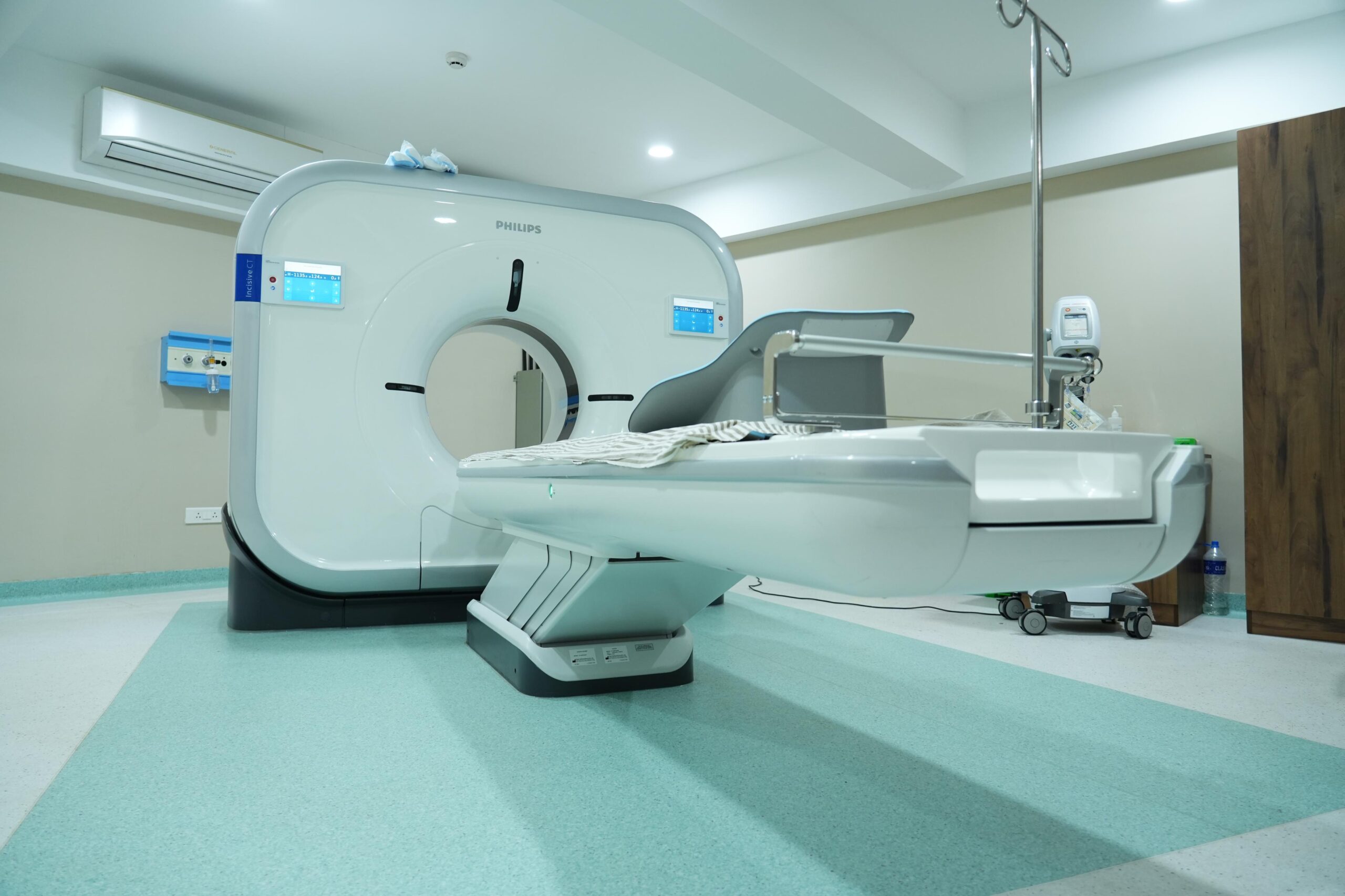
In today’s fast-paced world, most people visit a hospital only when symptoms become difficult to ignore. However, many serious health conditions — including heart disease, diabetes, cancer, and kidney disorders — develop silently over time. By the time symptoms appear, the condition may already be advanced.
This is where preventive health screenings play a life-saving role.
At Lifeline Multi Specialty Hospital, Kerala, preventive healthcare is not just about treating illness — it’s about identifying risks early and protecting your future health. Regular screening tests can detect diseases in their earliest stages, often before symptoms begin, allowing timely intervention and better outcomes.
You can learn more about comprehensive health services and preventive care at
https://lifelinehospitalkerala.com/
What Are Preventive Health Screenings?
Preventive health screenings are medical tests performed to detect diseases or risk factors in individuals who may not yet show symptoms. These screenings help doctors:
- Identify early signs of illness
- Detect risk factors like high cholesterol or elevated blood sugar
- Monitor existing health conditions
- Recommend lifestyle changes to prevent future complications
Early detection significantly increases treatment success rates and reduces long-term healthcare costs.
Why Preventive Screenings Are Important
1. Early Detection Saves Lives
Conditions like hypertension and diabetes often show no warning signs initially. A simple blood pressure check or blood test can reveal problems early, preventing complications such as stroke, heart attack, or kidney failure.
2. Reduced Treatment Costs
Treating advanced-stage diseases is far more expensive and complicated than managing them early. Preventive screenings reduce hospitalization risks and long-term medication dependency.
3. Better Quality of Life
When diseases are caught early, patients can maintain normal lifestyles with minimal disruption. Preventive care empowers individuals to stay active, productive, and stress-free.
Essential Health Screenings by Age Group
Preventive healthcare needs vary depending on age, gender, and medical history. Here is a general guideline:
In Your 20s & 30s
- Blood pressure check (every 1–2 years)
- Blood sugar test
- Cholesterol screening
- Thyroid function test (especially for women)
- Pap smear (for women)
- BMI and obesity assessment
This stage focuses on detecting early metabolic disorders and lifestyle-related risks.
In Your 40s
- Comprehensive cardiac evaluation
- Lipid profile
- Diabetes screening
- Liver and kidney function tests
- Mammogram (for women)
- Prostate screening (for men)
- Eye examination
After 40, the risk for heart disease and metabolic disorders increases significantly. Regular screening becomes essential.
50 Years & Above
- Colon cancer screening
- Bone density test
- Advanced cardiac screening
- Cancer marker tests (as recommended by doctor)
- Full body preventive health package
At this stage, annual health checkups are strongly recommended to maintain long-term health stability.
Common Diseases Detected Through Preventive Screening
1. Heart Disease
Heart disease remains one of the leading causes of death in India. Regular ECG, lipid profile, and stress tests can detect risk early.
2. Diabetes
India is known as the “diabetes capital.” Routine fasting blood sugar and HbA1c tests help detect pre-diabetes before it becomes severe.
3. Cancer
Screenings such as mammograms, Pap smears, colonoscopy, and prostate exams help detect cancer in its early, more treatable stages.
4. Kidney Disorders
Many kidney problems progress silently. Blood and urine tests can identify early signs of kidney dysfunction.
How Often Should You Get Screened?
The frequency depends on:
- Age
- Family medical history
- Lifestyle habits
- Existing medical conditions
Individuals with a family history of heart disease, diabetes, or cancer may require more frequent monitoring. Consulting a physician helps determine the right screening schedule.
Preventive Healthcare Is an Investment, Not an Expense
Many people delay health checkups due to busy schedules or cost concerns. However, preventive screenings should be seen as an investment in your future. A small effort today can prevent major health crises tomorrow.
At Lifeline Multi Specialty Hospital, structured health checkup packages are designed to suit different age groups and risk categories. These packages combine advanced diagnostics with expert consultation, ensuring a complete evaluation of your health status.
Signs You Should Not Ignore
Even if you feel healthy, you should schedule a checkup if you notice:
- Persistent fatigue
- Sudden weight changes
- Frequent headaches
- Shortness of breath
- Unexplained body pain
- Family history of chronic illness
Early consultation can prevent serious complications.
The Role of Lifestyle in Preventive Health
Screenings are only one part of preventive care. Doctors also recommend:
- Balanced diet
- Regular exercise
- Stress management
- Adequate sleep
- Avoiding tobacco and excessive alcohol
When screenings and healthy habits go hand in hand, the results are powerful.
A Culture of Preventive Care
Modern healthcare is shifting from “treatment-based” to “prevention-based.” Hospitals are encouraging people to take responsibility for their health before illness strikes.
By choosing preventive health screenings, you are not just checking reports — you are choosing awareness, preparedness, and peace of mind.
To explore preventive health services and schedule your checkup, visit:
https://lifelinehospitalkerala.com/