

Infertility affects many couples worldwide, and in some cases, the cause lies within the reproductive organs of the female partner. Conditions such as ovarian cysts, endometriosis, fibroids, or blocked fallopian tubes can make it difficult to conceive naturally. Fortunately, advances in medical technology have made it possible to diagnose and treat many of these issues through laparoscopic surgery, a minimally invasive procedure that offers faster recovery and improved fertility outcomes.
Laparoscopic surgery has become an important tool in modern gynecology and infertility treatment. It allows doctors to examine the reproductive organs closely and correct underlying problems that may be preventing pregnancy.
What Is Laparoscopic Surgery?
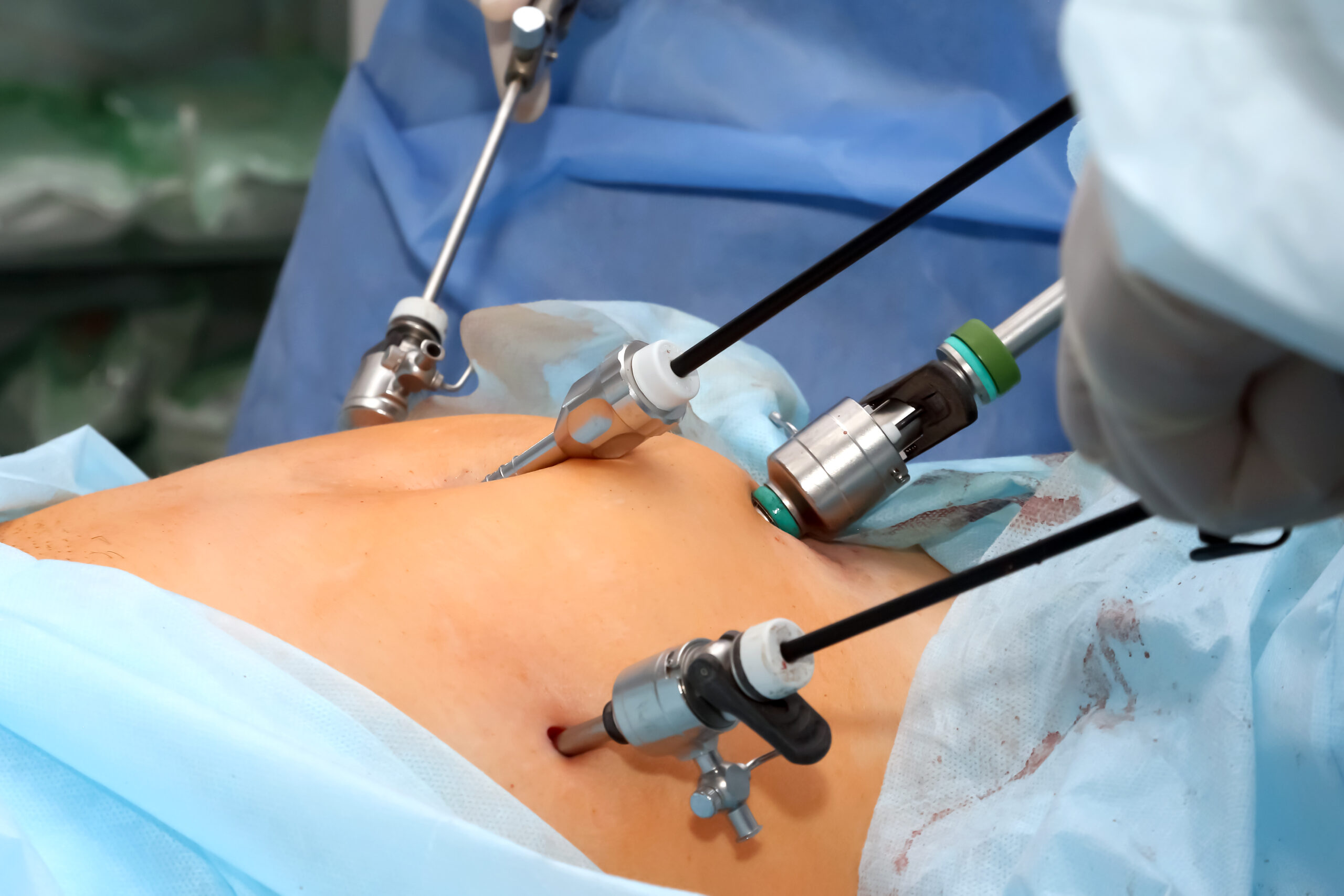
Laparoscopic surgery, often called keyhole surgery, is a minimally invasive procedure performed through small incisions in the abdomen. A thin instrument called a laparoscope, equipped with a camera and light source, is inserted through one of these small openings. The camera transmits detailed images to a monitor, allowing the surgeon to view the pelvic organs clearly.
Through additional small incisions, specialized surgical instruments can be used to treat conditions affecting fertility. Because the procedure involves very small cuts rather than large surgical openings, recovery is usually faster and less painful compared to traditional surgery.
How Laparoscopy Helps in Infertility Diagnosis
One of the major benefits of laparoscopy is its ability to provide a direct view of the reproductive organs. This helps doctors diagnose fertility-related problems that may not be clearly visible through ultrasound or other imaging methods.
During the procedure, doctors can examine:
- The uterus
- Ovaries
- Fallopian tubes
- Surrounding pelvic structures
If abnormalities are found, many of them can be treated immediately during the same procedure.
Common Fertility Conditions Treated With Laparoscopic Surgery
Laparoscopic surgery can help treat several conditions that may interfere with conception.
Endometriosis
Endometriosis occurs when tissue similar to the uterine lining grows outside the uterus. This condition can cause pelvic pain and infertility. Laparoscopy allows surgeons to remove or destroy abnormal tissue growths, improving the chances of pregnancy.
Ovarian Cysts
Certain ovarian cysts may disrupt ovulation or affect egg quality. Laparoscopic cyst removal helps restore normal ovarian function while preserving healthy ovarian tissue.
Blocked Fallopian Tubes
Healthy fallopian tubes are essential for fertilization. Laparoscopic procedures can help open blocked tubes or remove scar tissue that prevents eggs from traveling to the uterus.
Uterine Fibroids
Fibroids are non-cancerous growths in the uterus that can interfere with implantation or pregnancy. In some cases, laparoscopic surgery can remove fibroids while preserving the uterus.
Pelvic Adhesions
Adhesions are bands of scar tissue that form after infections, surgeries, or endometriosis. These adhesions can affect fertility by altering the normal structure of reproductive organs. Laparoscopic surgery helps remove these adhesions and restore normal anatomy.
Key Advantages of Laparoscopic Surgery
Laparoscopic surgery offers several benefits compared to traditional open surgery.
Smaller Incisions
The procedure requires only small incisions, which means less damage to surrounding tissues. This reduces pain and improves overall comfort during recovery.
Faster Recovery Time
Most patients recover much faster after laparoscopic surgery. Many women can return to normal activities within a few days to a week, depending on the procedure performed.
Reduced Risk of Infection
Because the incisions are smaller, the risk of infection and complications is generally lower compared to open surgical procedures.
Minimal Scarring
Laparoscopic surgery leaves very small scars that are often barely noticeable after healing.
Shorter Hospital Stay
Many laparoscopic procedures are performed as day-care surgeries or require only a short hospital stay.
Improved Fertility Outcomes
By correcting underlying reproductive problems, laparoscopic surgery can significantly improve the chances of natural conception or increase the success rates of fertility treatments such as IVF.
Preparing for Laparoscopic Surgery
Before undergoing laparoscopic surgery, patients typically undergo several diagnostic tests to identify the cause of infertility. These may include:
- Blood tests for hormonal evaluation
- Ultrasound scans
- Fertility assessments
- Medical history review
Doctors will provide specific instructions regarding fasting, medications, and preparation before the procedure.
Recovery After the Procedure
Recovery after laparoscopic surgery is usually smooth. Some mild discomfort or abdominal soreness may occur for a few days, but it gradually improves.
During the recovery period, patients are generally advised to:
- Rest for a few days
- Avoid heavy lifting or strenuous activity
- Follow prescribed medications
- Attend follow-up appointments
Most women can resume normal daily activities within a short time.
When Should Laparoscopic Surgery Be Considered?
Laparoscopic surgery may be recommended when:
- The cause of infertility is unclear
- Imaging tests suggest pelvic abnormalities
- Conditions like endometriosis or fibroids are suspected
- Previous fertility treatments have been unsuccessful
A fertility specialist will determine whether laparoscopy is the appropriate option based on individual medical history and diagnostic findings.
A Modern Approach to Fertility Care
Advances in minimally invasive surgery have transformed the way many reproductive health conditions are treated. Laparoscopic surgery allows doctors to diagnose and correct fertility problems with greater precision while minimizing discomfort and recovery time.
For women facing infertility challenges due to underlying reproductive conditions, laparoscopic surgery offers a safe and effective treatment option that can improve the chances of successful pregnancy.
Early diagnosis and timely treatment are key steps in the journey toward parenthood, and modern surgical techniques continue to make this path more hopeful for many couples.