

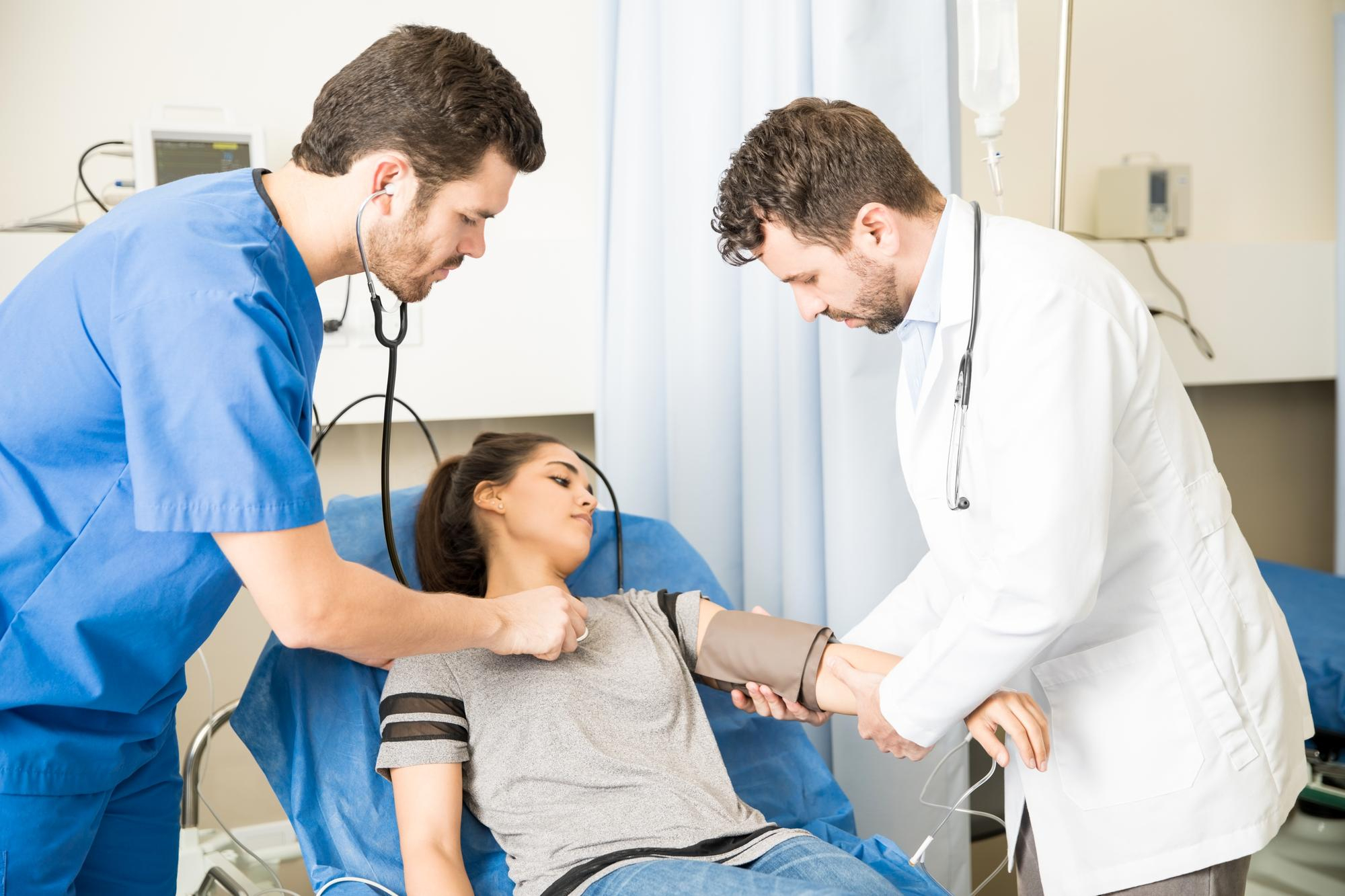
Many people delay visiting a hospital because they are unsure whether their condition needs emergency care or can wait for an OPD consultation. This confusion often results in delayed treatment, worsening symptoms, and avoidable complications.
At Lifeline Hospital Kerala, doctors frequently see patients who arrive late simply because they underestimated their symptoms. Knowing the difference between emergency care and OPD services can save lives.
What Is OPD (Outpatient Department) Care?
OPD care is designed for non-life-threatening medical conditions that require consultation, evaluation, and treatment without immediate risk to life.
Conditions commonly treated through OPD include:
- Mild fever, cold, or cough
- Headache or body pain
- Acidity, gastritis, or indigestion
- Blood pressure or diabetes follow-ups
- Minor infections
OPD allows patients to consult doctors, undergo routine tests, and receive medications without hospital admission.
👉 Learn more about OPD and physician services here:
https://lifelinehospitalkerala.com/general-medicine/
What Is Emergency Care?
Emergency care is required when a health condition is sudden, severe, or life-threatening. These situations need immediate medical attention, often within minutes.
Emergency departments are equipped with:
- 24×7 availability of doctors and nurses
- Rapid diagnostic facilities
- Life-saving equipment
- Continuous monitoring
👉 Lifeline Hospital Kerala provides round-the-clock emergency services:
https://lifelinehospitalkerala.com/emergency-services/
Situations That Require Immediate Emergency Care
You should rush to the hospital immediately if you or someone else experiences any of the following:
1. Chest Pain or Pressure
Pain or tightness in the chest, spreading to the arm, jaw, or back, may indicate a heart attack. Even mild chest discomfort should never be ignored.
2. Difficulty in Breathing
Sudden breathlessness, wheezing, or gasping for air may be caused by asthma attacks, pneumonia, or heart-related conditions.
3. Head Injury or Loss of Consciousness
Accidents, falls, or head injuries followed by vomiting, dizziness, confusion, or fainting require urgent evaluation.
4. Sudden Weakness or Slurred Speech
These are classic warning signs of a stroke. Immediate treatment can prevent permanent brain damage.
5. High Fever With Confusion or Seizures
Fever associated with fits, altered behavior, or severe vomiting can be dangerous, especially in children and elderly patients.
Conditions That Can Usually Be Managed Through OPD
Not every symptom needs emergency treatment. Many conditions can safely be managed through OPD visits if they are mild and stable.
Examples include:
- Fever for less than 24 hours
- Mild stomach pain
- Cough and cold without breathing difficulty
- Controlled blood pressure or sugar variations
- Chronic pain without sudden worsening
However, if symptoms persist, worsen, or suddenly change, emergency care may become necessary.
Why Delaying Emergency Care Is Risky
Delaying emergency treatment can lead to:
- Permanent organ damage
- Longer recovery time
- Higher treatment costs
- Increased risk of serious complications
Early intervention often means simpler treatment and faster recovery.
Role of Diagnostic Tests in Emergency Decisions
Accurate diagnosis plays a crucial role in both emergency and OPD care. Blood tests, imaging, and monitoring help doctors decide whether admission or immediate intervention is required.
👉 Advanced diagnostic facilities are available at:
https://lifelinehospitalkerala.com/lab-services/
Emergency Care for Elderly and High-Risk Patients
People with diabetes, heart disease, asthma, kidney problems, or weakened immunity should be extra cautious. Symptoms that appear mild can worsen rapidly in high-risk individuals.
Seek emergency care immediately if elderly patients experience:
- Sudden weakness or falls
- Confusion or disorientation
- Chest discomfort
- Breathing difficulty
How to Be Prepared for a Medical Emergency
A little preparation can make a big difference:
- Keep emergency contact numbers easily accessible
- Know the nearest 24×7 hospital
- Maintain updated medical records
- Avoid self-medication during serious symptoms
Choosing the Right Care at the Right Time
Understanding when to choose emergency care versus OPD can be life-saving. If you are ever unsure, it is always safer to seek emergency medical attention.
At Lifeline Hospital Kerala, patients receive timely treatment through experienced doctors, modern facilities, and compassionate care—day and night.
When seconds matter, don’t delay. Choose the right care at the right time.