

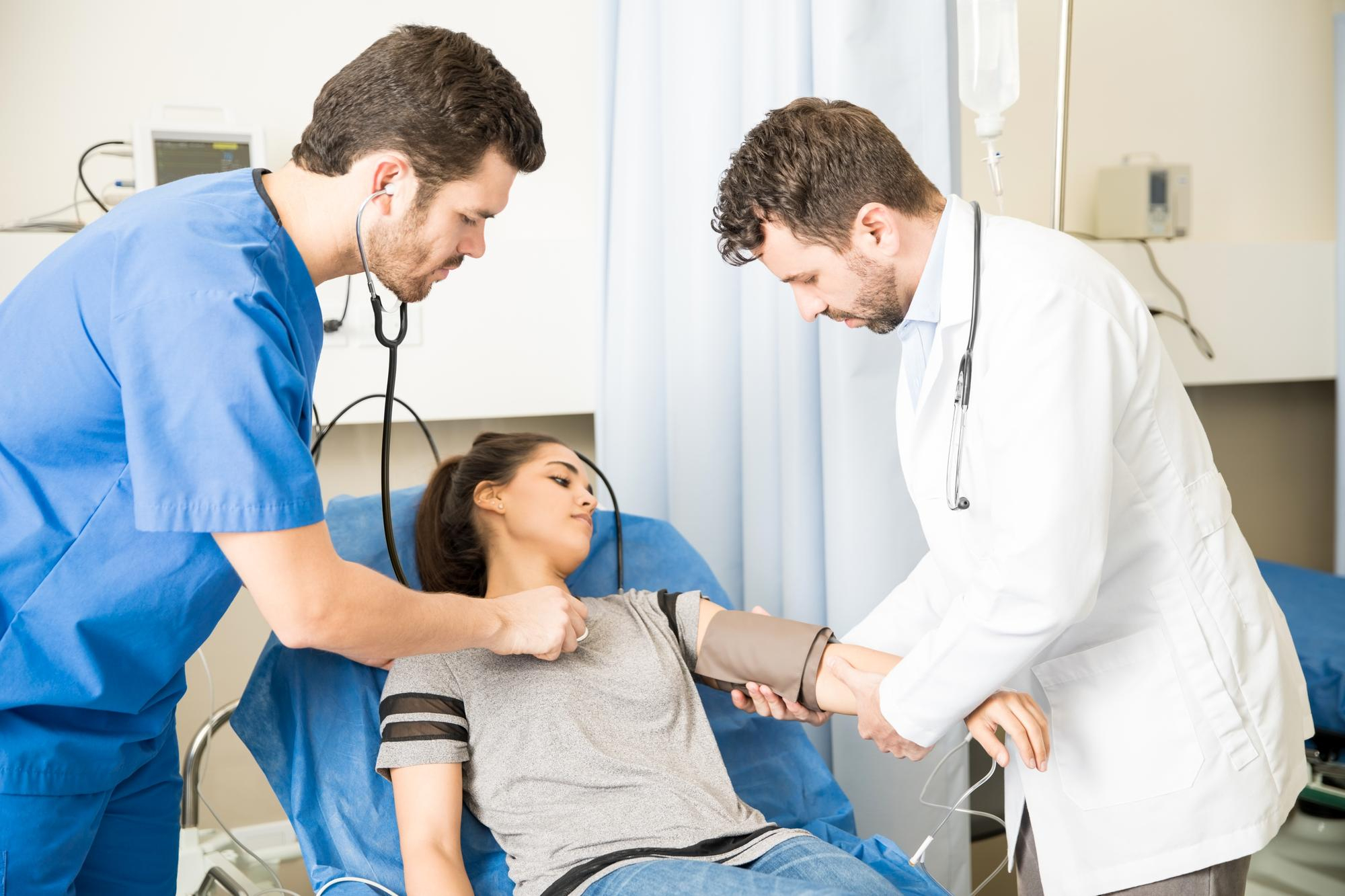
At Lifeline Multi Specialty Hospital, Kerala, every day in the Intensive Care Unit (ICU) unfolds like a story of grit, compassion, and unwavering dedication. Behind the machines, monitors, and flashing alarms are nurses whose tireless commitment ensures that critically ill patients receive not just medical care—but humanity at its best. This is a day in the life of an ICU nurse at Lifeline Hospital, a journey filled with challenges, small victories, and moments that profoundly define the meaning of care.
Morning: The First Round — Precision with Purpose
For an ICU nurse, the day usually begins before dawn. The hospital corridors are tranquil, but behind the ICU doors there’s already motion—adjusting ventilators, checking infusion pumps, and reviewing patient charts from the night shift. At Lifeline Hospital, the first hour of the shift is dedicated to “handover rounds,” where outgoing and incoming nurses exchange critical information. This ensures continuity in care, especially for patients battling complex conditions like sepsis, respiratory failure, or cardiac instability.
Each patient’s vital signs are reviewed, medications are reassessed, and care plans are confirmed with the attending doctors. Accuracy is vital—small oversights can lead to complications. But at Lifeline Hospital, this process reflects teamwork: nurses double-check each other’s notes, consult with specialists when needed, and prioritize patient safety above all.
Mid-Morning: Balancing Complexity & Compassion
By mid-morning, the ICU buzzes with activity. Nurses are administering medications, assisting in procedures, and coordinating with lab technicians and physiotherapists. What distinguishes ICU care is not just medical complexity—it’s emotional intelligence. An ICU nurse must be equally skilled at reading monitors and understanding the unspoken distress of a patient’s family.
Take the story of Nurse Aisha* (name changed for privacy), who recently cared for a young accident victim. The patient’s condition was critical, and his family was emotionally overwhelmed. Throughout the day, Aisha not only managed the clinical needs—managing IV drips, monitoring neurological status, and preventing infections—but also acted as a compassionate communicator. She explained treatment steps in simple language, offered updates at regular intervals, and provided reassurance during moments of uncertainty.
Such care is more than medical—it’s human. And it’s one of the reasons families at Lifeline Hospital often express deepest gratitude long after discharge.
Lunchtime: Multitasking in the Midst of Urgency
There’s no strict lunch hour in the ICU—patients don’t pause for meals. So ICU nurses adapt. While quickly grabbing a healthy snack between duties, nurses are also administering enteral nutrition to patients who can’t eat, coordinating diagnostic imaging, and responding to sudden changes in patient conditions.
Emergency situations may arise without warning—an unstable heart rhythm, a sudden drop in blood pressure, or issues with a breathing tube require immediate action. Lifeline ICU nurses are trained to remain calm, efficient, and decisive. Their training equips them with the skills to handle both routine care and critical emergencies with equal focus.
Afternoon: Technology Meets Tenderness
The ICU is a technologically advanced environment. Monitors beep with real-time data. Ventilators assist breathing. Infusion pumps deliver life-saving medications. However, technology is only as effective as the human interpretation behind it. ICU nurses at Lifeline Hospital continuously interpret complex data to make informed decisions—adjusting ventilator settings, titrating medications, and anticipating patient needs even before alarms sound.
But even in this high-tech environment, tenderness matters. For instance, when a patient can’t speak, nurses interpret subtle cues—a slight eye movement, a shift in expression—to assess comfort or distress. In moments like these, they become not just caretakers but advocates.
Late Afternoon: Collaborating for Better Outcomes
A unique strength of the ICU at Lifeline Multi Specialty Hospital is its integrated care culture. Nurses closely work with intensivists, cardiologists, neurologists, rehabilitation therapists, and dieticians. Daily multidisciplinary rounds ensure that every patient’s care plan is comprehensive.
For example, with a patient recovering from a stroke, nurses will coordinate with physiotherapists to begin early mobility exercises, work with speech therapists on swallowing assessments, and consult dieticians for nutritional needs. This holistic approach ensures that recovery is not just about survival, but about enhancing quality of life.
Evening: Emotional Resilience & Reflection
Evenings in the ICU can be unpredictable. Some patients stabilize and take hopeful strides toward recovery. Others face setbacks. One constant is the emotional resilience nurses must carry. They celebrate victories—like a patient breathing without ventilator support—and they also comfort families in moments of grief.
One nurse, Rahul*, recalls a night when a critically ill elderly patient regained consciousness and whispered, “Thank you.” That moment, he says, reminded him why he entered nursing in the first place. Even amidst long shifts and emotional demands, these glimpses of hope fuel nurses’ commitment day after day.
Night Shift: Continuity & Vigilance
While many are sleeping, ICU nurses working night shifts maintain the same level of vigilance and care. They manage ongoing treatments, conduct hourly observations, and ensure that any changes in condition are immediately communicated.
The transition between shifts is a critical time for seamless care. At Lifeline Hospital, handovers are structured and thorough, ensuring that every detail—clinical or personal—is communicated effectively to maintain patient safety.
Conclusion: Beyond Clinical Care
A day in the life of an ICU nurse at Lifeline Multi Specialty Hospital is a blend of clinical expertise, emotional strength, and compassionate communication. These nurses are the backbone of critical care—they anticipate needs, manage complex situations, and uphold dignity for patients and families during some of their most vulnerable moments.
For those interested in learning more about the services and compassionate care at Lifeline Hospital, visit https://lifelinehospitalkerala.com/ and explore our commitment to patient-centered health care.